
What Are Geothermal HVACs? Is Geothermal HVAC Worth It?
Keeping a Gulf Coast home comfortable can require a lot from an HVAC system. Long, humid summers create sustained cooling demands, while cooler winter days still require dependable heat. For homeowners looking beyond conventional heating and cooling equipment, geothermal HVAC offers an alternative that uses the relatively stable temperature beneath the ground to help condition the home.
But what is geothermal HVAC, and is geothermal HVAC worth it for a home in Louisiana, Mississippi, or Alabama? The answers depend on more than efficiency ratings alone. Property characteristics, installation requirements, budget, comfort priorities, and how long you expect to remain in your home all matter. At Comfort Engineered Systems, we help homeowners understand these factors so they can make an informed decision rather than simply choosing the newest technology.
What Is Geothermal HVAC?
A geothermal HVAC system is a type of heat pump that exchanges heat with the ground instead of relying primarily on outdoor air. Several feet below the surface, ground temperatures remain much more consistent throughout the year than outdoor temperatures.
That consistency gives a geothermal heat pump a dependable environment for transferring heat. Instead of creating heat through combustion, the equipment moves heat between your home and the ground. This approach can provide both heating and cooling from one system.
How Does Geothermal Heating and Cooling Work?
During warmer months, geothermal heating and cooling equipment absorbs heat from inside the house and transfers it underground. During colder weather, the process reverses. The geothermal heat pump collects heat from the ground and moves it into the home.
This heat-transfer process is one reason homeowners interested in high-efficiency [heat pumps] may also consider geothermal technology. Although the equipment and installation differ, both technologies rely on moving available heat rather than relying solely on traditional methods of producing it.
What Is an Underground Geothermal Loop?
The underground loop is one of the defining components of a geothermal installation. A series of buried pipes circulates fluid that facilitates heat exchange with the surrounding earth.
Loop configurations can vary according to available land, soil conditions, property layout, and other site-specific considerations. Determining the appropriate design requires careful evaluation rather than assuming the same configuration will work for every property.
Geothermal HVAC vs. Traditional Heating and Cooling
A conventional home may have an air conditioner paired with a furnace or another heating source. An air conditioner releases indoor heat into the outdoor air, while a furnace typically produces heat to warm the home.
Geothermal equipment approaches comfort differently. One geothermal heat pump can provide heating and cooling by exchanging heat with the ground. This difference can make geothermal energy for homes attractive to property owners interested in reducing energy consumption and investing in long-term HVAC performance.
What Are the Main Geothermal System Benefits?
Efficiency is often what first attracts homeowners to geothermal technology, but it is not the only potential advantage. Depending on the home and installation, geothermal system benefits may include:
- Efficient year-round heating and cooling
- More consistent indoor temperatures
- Reduced dependence on changing outdoor air temperatures
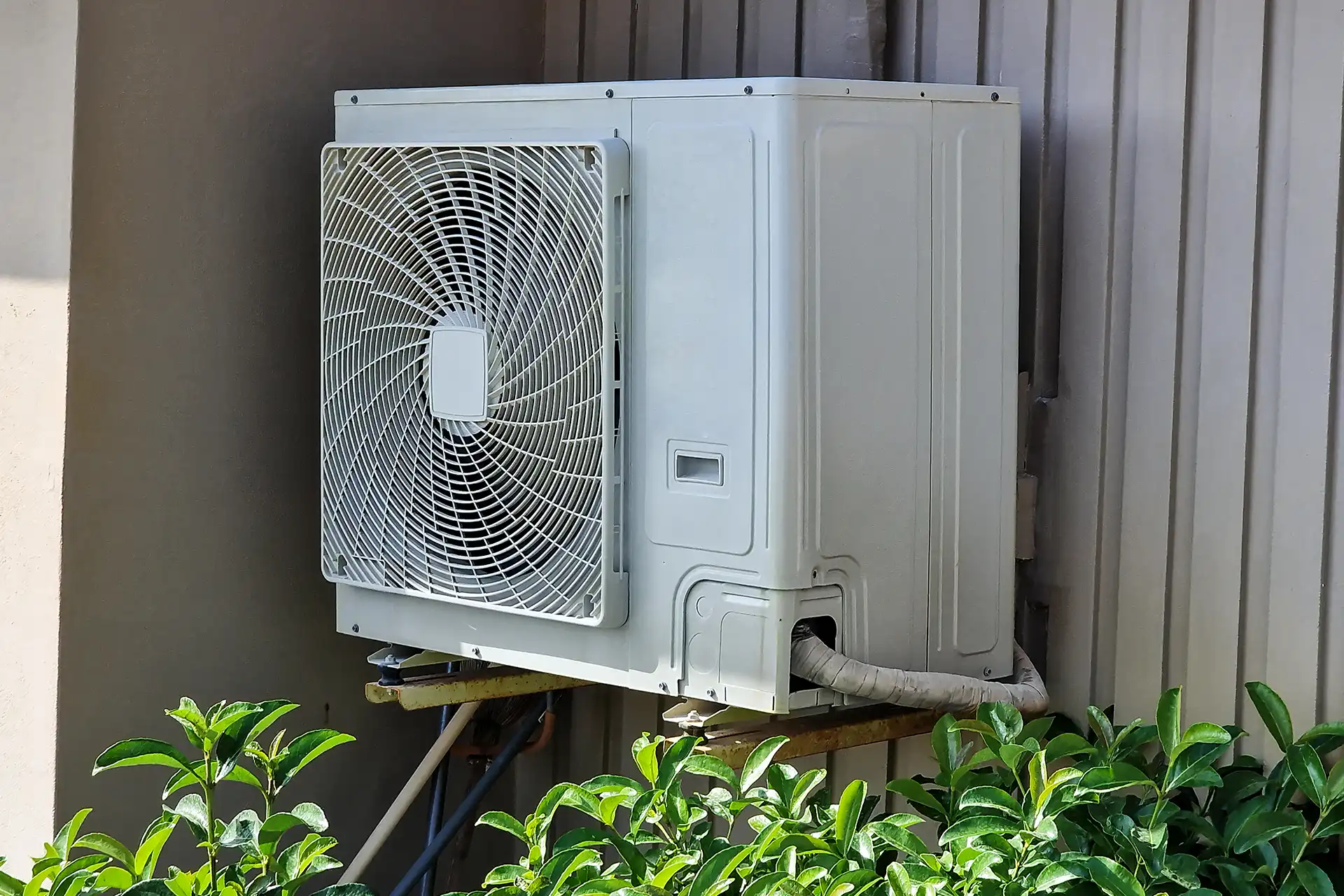
- Quiet operation compared with equipment that requires a traditional outdoor condenser
- Long service potential for properly installed underground loops
- Opportunities to reduce long-term household energy consumption
These benefits are meaningful, but they should always be considered alongside installation requirements and upfront investment.
How Efficient Is a Geothermal Heat Pump?
Because underground temperatures fluctuate less dramatically than outdoor air temperatures, a geothermal heat pump works with a comparatively stable heat source and heat sink. This can support efficient operation during periods when Gulf Coast temperatures place heavy demands on conventional equipment.
In New Orleans and throughout coastal Louisiana, Mississippi, and Alabama, cooling performance is particularly important because air conditioners may operate extensively for much of the year. A properly designed geothermal system can offer homeowners another way to approach those long cooling seasons.
Can Geothermal Improve Home Comfort?
Energy efficiency matters, but homeowners ultimately need an HVAC system that keeps their living spaces comfortable. Geothermal equipment can provide steady heating and cooling rather than relying on dramatic bursts of conditioned air.
As with any HVAC technology, equipment alone does not determine comfort. Proper sizing, ductwork, airflow, and installation quality all affect performance. At Comfort Engineered Systems, our approach to [HVAC installation] considers the home as a whole so the equipment is designed around its actual heating and cooling requirements.
What Does Geothermal HVAC Installation Involve?
Installing geothermal HVAC is more involved than replacing a standard furnace or air conditioner. In addition to indoor equipment, the project requires installation of the underground loop field.
The property must therefore be evaluated for factors such as available space, soil and ground conditions, accessibility, existing ductwork, and the home's heating and cooling requirements. The exact installation approach can vary substantially between properties.
Why Proper Geothermal Design Matters
Geothermal equipment needs to be sized and configured for the individual home. A system that is too large or too small can compromise comfort, efficiency, and equipment performance.
Our engineering-driven approach helps address this concern. We use recognized HVAC design practices, including Manual J, S, and D calculations where appropriate, to evaluate loads, equipment selection, and ductwork. Homeowners considering [geothermal HVAC] can receive recommendations based on their property rather than a one-size-fits-all package.
What Are the Geothermal HVAC Pros and Cons?
Understanding geothermal HVAC pros and cons is important before making a significant home improvement decision. The technology can deliver excellent efficiency and dependable comfort, but installation tends to require a larger initial investment than many conventional HVAC replacements.
Homeowners also need suitable property conditions for the underground components. Excavation or drilling requirements can make some properties more challenging than others.
What About Geothermal HVAC Cost?
Geothermal HVAC cost varies because the project includes much more than the heat pump itself. Loop configuration, property conditions, home size, existing HVAC infrastructure, and installation complexity can all affect the total investment.
Rather than focusing solely on the purchase price, homeowners can consider expected energy use, maintenance, anticipated ownership period, and long-term comfort goals. This provides a more useful comparison between geothermal and conventional HVAC options.
How Long Do Geothermal Systems Last?
One potential advantage of geothermal technology is that its underground loop components can have a long operating life when appropriately designed and installed. The heat pump and other mechanical components will have their own service lives and maintenance requirements.
Routine professional maintenance remains important. Inspections can help identify airflow concerns, component wear, and other issues before they interfere with comfort or efficiency.
Is Geothermal HVAC Difficult to Maintain?
Once installed, homeowners generally do not need to interact with the underground loop during normal operation. Routine HVAC maintenance instead focuses largely on accessible mechanical components, filters, airflow, and overall performance.
Comfort Engineered Systems provides professional [HVAC maintenance and repair] to help homeowners protect their equipment and address performance concerns as they arise.
Is Geothermal HVAC Worth It for Gulf Coast Homeowners?
So, is geothermal HVAC worth it? For some homeowners, it can be a compelling long-term investment. A household planning to remain in the same home for many years may have more opportunity to benefit from lower energy consumption over time. Homeowners who prioritize efficiency and are prepared for a larger initial investment may also find geothermal particularly appealing.
For others, a high-efficiency conventional HVAC system or air-source heat pump may provide a better balance between installation cost and performance. The right answer depends on the property rather than geothermal technology alone.
What Homes Are Good Candidates for Geothermal HVAC?
Homes with appropriate land or site conditions, suitable HVAC infrastructure, and owners focused on long-term energy efficiency may be strong candidates. Geothermal may also deserve consideration when a homeowner is already planning a major HVAC replacement and wants to compare several long-term options.
Property constraints, plans to move soon, or a limited project budget may make other technologies more practical. An experienced HVAC professional can evaluate these considerations before you commit to a particular solution.
Find Out Whether Geothermal HVAC Is Right for Your Home
Understanding what is geothermal HVAC is only the beginning. Deciding whether it makes sense for your home requires looking at your property, current equipment, budget, comfort expectations, long-term plans, and energy goals together.
Comfort Engineered Systems has served homeowners throughout coastal Louisiana, Mississippi, and Alabama since 2001. Our highly trained technicians provide honest recommendations and engineered heating and cooling solutions based on what each home actually needs. If you are wondering, "Is geothermal HVAC worth it for my home?" contact us to explore your options and determine whether geothermal or another high-efficiency HVAC solution is the better fit.
